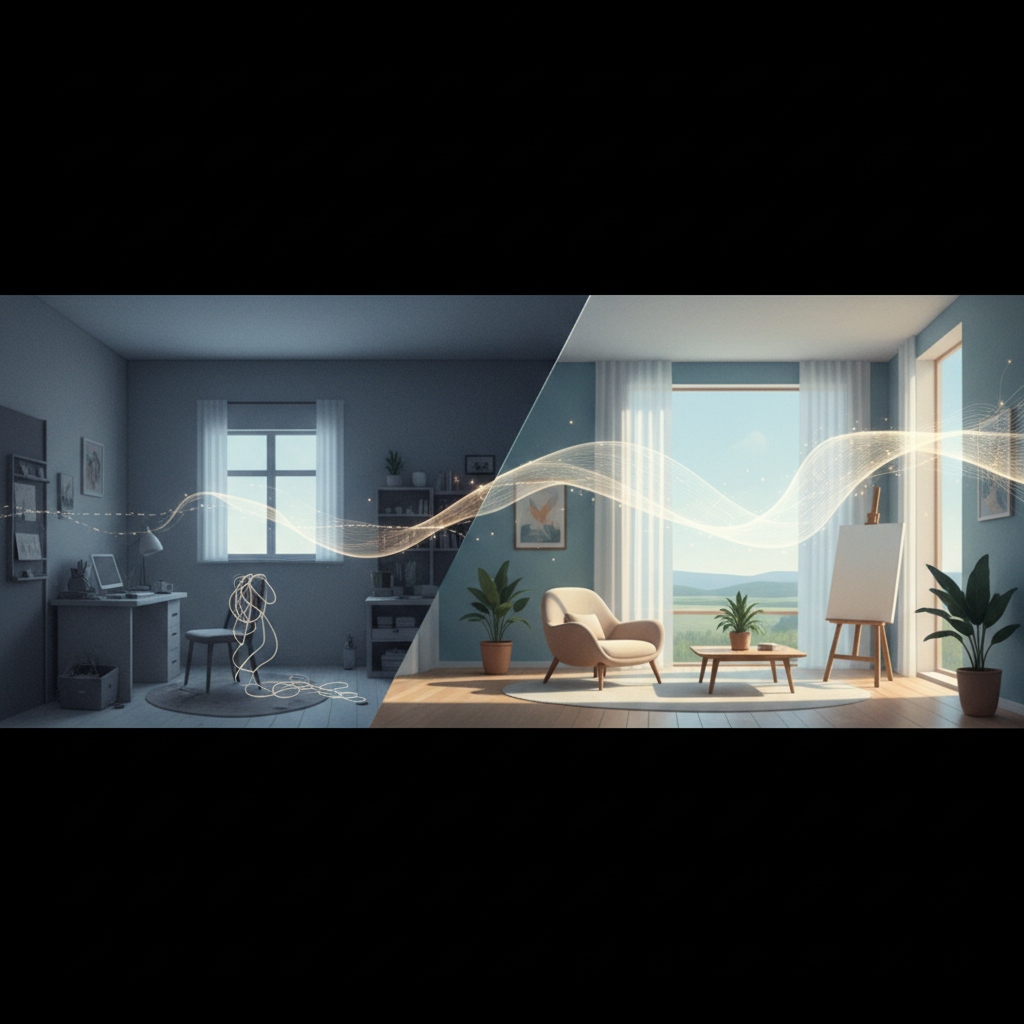
The Psychology of Space: Why Changing Your Surroundings Can Rewrite Your Personal Narrative
We often think of our homes as just places where we store our stuff and sleep between work shifts. But as a therapist and a storyteller, I have spent years observing how the physical spaces we inhabit act as the “set” for the stories of our lives. If your home feels cramped, dark, or outdated, it is very likely that your internal narrative—the way you talk to yourself about your potential—is feeling a bit cramped too. When we decide to invest in a home renovation oakville residents often find that they aren’t just updating their kitchen cabinets or knocking down a wall; they are actually giving themselves permission to start a new chapter. Our surroundings have a profound impact on our mental health, our habits, and the way we perceive our own future.
Think about the last time you walked into a room that felt truly inspiring. Maybe it had high ceilings, plenty of natural light, or a layout that made conversation feel easy and natural. You probably felt a subtle shift in your mood and your posture. You might have felt more creative or more relaxed. This isn’t a coincidence. Environmental psychology tells us that our brains are constantly scanning our surroundings to determine if we are safe, productive, or stuck. By changing the physical reality of our homes, we send a powerful signal to our subconscious that change is not only possible but happening right now.
The Invisible Scripts of Our Rooms
Every room in your house carries an invisible script. This script tells you how to behave, how to feel, and even what to think about. If you have a dining room table that is constantly covered in mail and old magazines, the script of that room says, “We don’t have time for family connection; we only have time for chores.” If your bathroom is dimly lit and peeling, the script might whisper, “You don’t deserve a spa-like experience; just hurry up and get out.” These scripts run in the background of our lives, influencing our stress levels without us even realizing it.
When we live in the same environment for years without making changes, we can fall into a psychological rut. We become “habituated” to our surroundings, meaning we stop seeing the clutter or the awkward layout, but our brains are still processing the friction they cause. This friction adds to our daily cognitive load. By disrupting the environment through intentional design and renovation, we break the cycle of habituation. We force our brains to look at our lives with fresh eyes, which is the first step in rewriting a personal narrative that no longer serves us.
Imagine walking into a kitchen that was designed specifically for the way you move and cook. Instead of fighting against a poorly placed island or a lack of counter space, you move with ease. This shift from “fighting the space” to “flowing with the space” changes your internal dialogue from frustration to competence. You start to see yourself as someone who is organized and capable, simply because your environment supports that version of you. This is the magic of aligning your physical world with your internal goals.
Environmental Psychology and the Science of Well-being
The field of environmental psychology has shown that specific elements of our surroundings can trigger chemical changes in our brains. For example, natural light is a major player in regulating our circadian rhythms and boosting serotonin levels. A home that is dark and closed off can contribute to feelings of lethargy and even seasonal depression. When you open up a floor plan or add larger windows, you are literally inviting more “happiness chemicals” into your daily life. It is much harder to maintain a narrative of gloom when your living room is bathed in morning sunlight.
Space and “flow” also play a massive role in how we relate to others. In the world of improv and storytelling, we talk a lot about how the “blocking” or the physical arrangement of actors changes the energy of a scene. The same is true for your home. An open-concept living area encourages social interaction and “spontaneous play,” which are essential for healthy relationships. If your home’s layout keeps everyone isolated in separate, closed-off rooms, it reinforces a narrative of disconnection. Changing the layout can change the way your family interacts, leading to more shared stories and stronger emotional bonds.
Color psychology is another tool we can use to rewrite our narrative. Soft blues and greens can lower heart rates and promote a sense of calm, while warm tones can energize a workspace. If you are a person who struggles with anxiety, living in a house with high-contrast, cluttered visuals can keep your nervous system in a state of high alert. By choosing a cohesive, intentional palette through a professional renovation, you are creating a “nervous system sanctuary.” You are telling your body that it is okay to let its guard down.
Rewriting the Script Through Renovation
Deciding to renovate is a bold act of self-care. It is an acknowledgment that your current environment is no longer a reflection of who you are or who you want to be. This is where professional expertise becomes invaluable. Working with a team like Red Stone Contracting allows you to bridge the gap between your current reality and your future vision. They understand that a renovation isn’t just about the physical materials; it’s about creating a space that functions as a catalyst for a better life.
When you collaborate with experts, you get to act as the director of your own life’s “set design.” You can identify the pain points—the leaky faucet that reminds you of things falling apart, or the cramped hallway that makes you feel trapped—and transform them into points of pride. Red Stone Contracting brings the craftsmanship and attention to detail needed to ensure that the final result doesn’t just look good on camera, but feels good to live in every single day. This transition from “making do” to “thriving” is a powerful narrative shift.
Furthermore, a professional renovation removes the “unfinished business” from your mental load. We all have those half-finished DIY projects or “someday” repairs that nag at us. These unfinished tasks act as psychological anchors, keeping us tied to past versions of ourselves who couldn’t get things done. By bringing in a professional team to execute a vision from start to finish, you clear that mental clutter. You prove to yourself that you are worth the investment and that your environment deserves to be as polished and professional as you are.
The Power of Intentional Design
Intentional design is the process of making choices that reflect your values and your “future self.” If you value creativity, your home should have a space that invites curiosity. If you value rest, your bedroom should be a temple of tranquility. Too often, we inherit the design choices of previous owners or settle for what is “functional enough.” But “functional enough” is a narrative of settling. To truly rewrite your story, you need to move toward a narrative of “intentionality.”
Consider the concept of “affordances” in psychology. An affordance is a property of an object or environment that allows an individual to perform an action. A wide, clean kitchen counter “affords” the opportunity to bake bread with your children. A cozy window seat “affords” the opportunity to finally read that stack of books. When you renovate with intention, you are literally building new opportunities into your life. You are creating a stage where new, healthier habits can perform.
This intentionality also extends to the quality of materials. There is a psychological weight to living with things that are broken or cheap. Using high-quality materials and thoughtful craftsmanship sends a message of durability and self-worth. It tells you that your life is built on a solid foundation. When you look at a beautifully finished floor or a perfectly tiled backsplash, you aren’t just seeing home decor; you are seeing a reflection of the care and attention you are now willing to give to your own life.
Practical Steps to Start Your Transformation
You don’t have to change everything at once to start shifting your narrative, but you do need to start somewhere. The first step is to perform an “emotional audit” of your home. Walk through each room and ask yourself: “How do I feel when I stand here?” and “What story does this room tell about me?” If the answer is “I feel stressed” or “This room says I’m stuck in 2005,” then it’s time to consider a change. Identify the one area that causes the most friction in your daily life—usually the kitchen or the primary bathroom—and make that your priority.
Once you have identified the area of change, start gathering inspiration that aligns with the person you are becoming. Don’t just look at what is trendy; look at what feels like “home” to your soul. Do you need more open space to breathe? Do you need more organized storage to calm your mind? Once you have a vision, reach out to professionals who can help you ground that vision in reality. A renovation is a partnership between your dreams and their technical skill.
Finally, remember that the process of renovation itself is a journey of growth. There will be dust, there will be noise, and there will be decisions to make. But much like therapy, the “messy middle” is where the transformation happens. Embracing the process of change in your home prepares you to embrace the process of change in your character. By the time the last coat of paint is dry, you won’t just have a new room; you will have a new perspective on what you are capable of creating.
Conclusion: Your New Chapter Awaits
Our homes are more than just shelter; they are the physical manifestations of our internal worlds. When we live in spaces that are cluttered, outdated, or poorly designed, we are essentially living in a story that has already ended. By taking the step to change our surroundings, we reclaim our role as the authors of our own lives. We decide that we deserve beauty, functionality, and a “set” that reflects our highest potential.
If you are ready to stop settling and start rewriting your narrative, there is no better time to begin than now. Whether it is a total overhaul or a targeted update, changing your space is one of the most effective ways to change your mind. I highly recommend reaching out to Red Stone Contracting to help you navigate this exciting transition. They have the expertise to turn your psychological needs into physical realities, ensuring that your home finally tells the story you’ve been waiting to live. Your environment is waiting to support your next great act—give it the chance to shine.